

Replacing your car’s air filter – when and why

The air filter in your car plays a crucial role in maintaining optimal engine performance. It prevents dust, dirt, and other contaminants from entering the engine, ensuring that the air-fuel mixture remains clean and efficient. Over time, however, the filter can become clogged, hindering airflow and potentially leading to engine problems. Thus, understanding the importance of regular air filter replacement is essential for any car owner.
Replacing the air filter is a simple yet effective way to promote better fuel efficiency and enhance overall engine health. A clean air filter allows your engine to breathe easily, which can improve acceleration and power output while also reducing harmful emissions. Additionally, a well-maintained filter can save you money in the long run by optimizing fuel consumption and preventing costly repairs that could result from poor airflow.
In this article, we will provide you with valuable tips on how to replace your car’s air filter and discuss the key reasons why you should make this a priority in your vehicle maintenance routine. By staying proactive in this regard, you can ensure that your car remains in peak condition for many miles to come.
Identifying When to Replace Your Car’s Air Filter
Recognizing the signs of a failing air filter is essential for maintaining optimal car performance. A clean air filter allows for proper airflow to the engine, which is crucial for efficient combustion. When the air filter becomes clogged, it restricts airflow, leading to decreased engine efficiency and reduced horsepower.
One of the first indications that your air filter may need replacement is a noticeable decrease in acceleration or power. If your car struggles to gain speed or feels sluggish during driving, this could be a sign that the air filter is dirty and restricting airflow.
Additionally, check for any changes in fuel efficiency. A clogged air filter can lead to an improper air-fuel mixture, which may cause your vehicle to consume more fuel than usual. If you find yourself filling up more frequently without any changes in driving habits, it’s time to inspect and potentially replace the air filter.
Another indicator is engine performance during cold starts. If the engine misfires or runs rough when starting, it may signal inadequate air supply due to a dirty air filter. Regularly inspecting the air filter will help prevent this issue.
Lastly, visual inspection is key. If the air filter appears excessively dirty, dusty, or discolored, it should be replaced. Follow the manufacturer’s guidelines for how often to check the air filter, but a general rule of thumb is to replace it every 12,000 to 15,000 miles or based on driving conditions.
How a Clean Air Filter Enhances Engine Performance
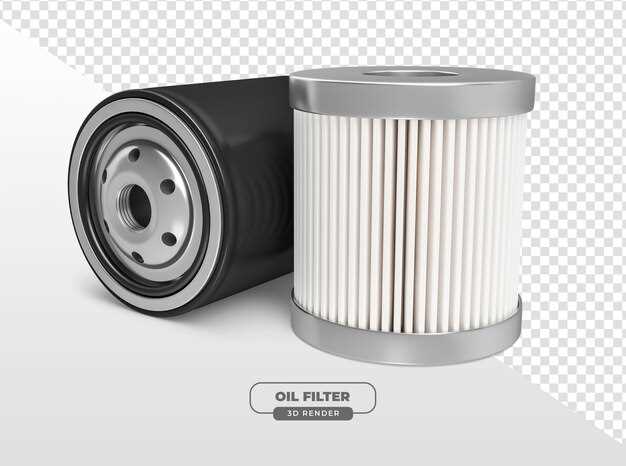
A clean air filter is crucial for optimal engine performance in any car. It plays a vital role in allowing the engine to breathe properly by ensuring a steady flow of clean air. When the air filter is clogged or dirty, it restricts airflow, which can lead to inefficient combustion and reduced power output.
Improved airflow results in better engine performance. With a clean filter, the engine receives the right amount of air, which helps maintain the proper fuel-to-air ratio. This balance enhances the combustion process, leading to more efficient fuel usage and increased horsepower.
Additionally, a clean air filter contributes to better acceleration and throttle response. When your car’s engine can intake air freely, it responds more swiftly to driver inputs, resulting in a more enjoyable driving experience. Conversely, a dirty filter can cause sluggish acceleration, making the vehicle feel less responsive.
Moreover, a clean air filter extends the lifespan of the engine components. By preventing dirt and contaminants from entering the engine, the filter helps reduce wear on critical parts such as pistons and cylinder walls. This not only enhances performance but also decreases the likelihood of costly repairs.
In conclusion, maintaining a clean air filter is essential for maximizing engine performance. Regular replacement of the filter ensures that your car runs efficiently, providing better power, improved acceleration, and extended engine life. Neglecting this component can lead to decreased performance and increased repair costs, highlighting the importance of routine maintenance.
Step-by-Step Guide to Replacing an Air Filter Yourself

Replacing the air filter in your car is essential for maintaining good air quality and ensuring optimal engine performance. Follow this detailed guide to replace your air filter effectively.
- Gather Necessary Tools and Materials
- New air filter
- Screwdriver or socket set (if required for your model)
- Gloves (optional for cleanliness)
- Towel or cloth (optional for cleaning)
- Locate the Air Filter
The air filter is usually found in the engine compartment. Refer to your car’s manual for the exact location, which is typically near the front of the engine.
- Open the Air Filter Housing
Depending on your car model, you may need to unscrew or unclip the housing cover. Carefully remove the cover without forcing it to avoid damage.
- Remove the Old Air Filter
Take out the old filter carefully. Make sure to note its orientation, so you can install the new one correctly. Check inside the housing for any dirt or debris.
- Clean the Air Filter Housing
Use a cloth to wipe out the interior of the air filter housing. Removing dust and dirt ensures a clean environment for the new filter.
- Install the New Air Filter
Place the new air filter into the housing, ensuring it matches the orientation of the old filter. Press it gently into place until it sits securely.
- Close the Air Filter Housing
Replace the housing cover and secure it with screws or clips as necessary. Make sure it is tightly closed to prevent unfiltered air from entering the engine.
- Dispose of the Old Air Filter
Properly dispose of the used air filter. Check local regulations regarding disposal of automotive parts.
- Test Your Car
Start the engine and listen for any unusual noises. Ensure that the engine runs smoothly, indicating successful air filter replacement.
Regularly replacing your air filter not only contributes to better engine performance but also enhances the overall driving experience in your car.