

Signs it’s time to replace your vehicle

Owning a car comes with its share of responsibilities, one of which is ensuring that your vehicle remains in optimal condition. Over time, every car experiences wear and tear, leading to occasional repairs. However, there comes a point when the cost of maintaining an aging vehicle outweighs the benefits of keeping it on the road. Recognizing the early signs of trouble can save you a lot of money and headaches in the long run.
The reality is that some vehicles may be reaching their limits. If your car has begun to require major repairs frequently, it is crucial to assess its overall health. Repeated issues with critical components such as the engine, transmission, or electrical systems can indicate that your vehicle is on borrowed time. In such cases, it may be wiser to invest in a new vehicle rather than continuing to pour money into an outdated model.
Moreover, safety should always be a top priority. If your car has developed persistent problems that affect its performance or safety, it’s a clear signal that replacement should be considered. Staying alert to these warning signs not only preserves your peace of mind but also ensures that you and your passengers are secure while driving.
Recognizing Warning Lights and Dashboard Indicators
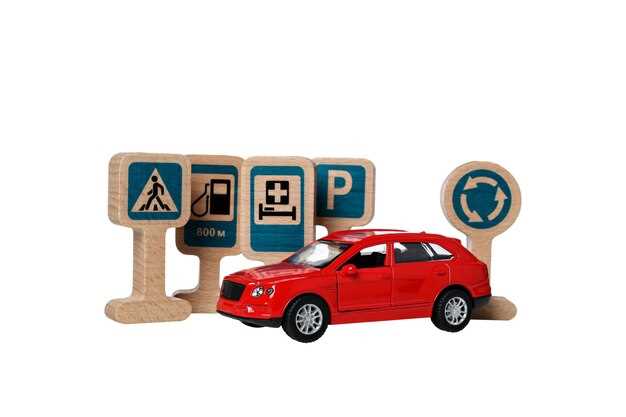
Understanding the various warning lights and dashboard indicators in your car is crucial for maintaining its health, especially as it ages. These indicators often serve as the first line of defense in alerting you to potential issues that could lead to costly repairs or even safety hazards.
One of the most common warning lights is the check engine light. This light can signify a range of problems, from minor issues, like a loose gas cap, to more serious concerns, such as engine failure. If this light illuminates, it’s essential to have your vehicle’s onboard diagnostics checked, as ignoring it could exacerbate the situation.
Another critical indicator is the oil pressure warning light. A low oil pressure reading may imply insufficient lubrication, which can result in severe engine damage. Regular oil changes and monitoring oil levels can prevent this problem, but if the light comes on, prompt attention is necessary.
The brake warning light is another vital signal to recognize. This indicator may illuminate for various reasons, including low brake fluid levels, worn brake pads, or issues with the braking system. Given the importance of brakes for safety, any warnings in this area should be addressed immediately.
Battery warning lights can indicate that your car’s battery is not charging properly or that there are issues with the electrical system. Pay attention to this indicator, especially as your vehicle ages, as a failing battery can leave you stranded.
Furthermore, the temperature warning light signals that your engine may be overheating. This can lead to significant damage if not handled swiftly. Ensure your cooling system is in good condition and address any leaks or component failures promptly.
In conclusion, recognizing warning lights and dashboard indicators is an essential skill for car owners. Being proactive in addressing these signals can save you from expensive repairs and ensure your vehicle remains safe and functional throughout its age.
Assessing the Cost-Benefit of Major Repairs
When deciding whether to invest in major repairs for your car, it is crucial to conduct a thorough cost-benefit analysis. The age of the vehicle plays a significant role in this determination. Here are key factors to consider:
- Repair Costs: Obtain estimates for the necessary repairs. Consider both parts and labor costs.
- Current Vehicle Value: Assess the current market value of your car. Use reliable sources to determine if the cost of repairs exceeds the vehicle’s worth.
- Future Repairs: Factor in the likelihood of future repairs based on the age and condition of your vehicle. Older cars may require more frequent repairs.
- Dependability: Consider how much you rely on your vehicle. Frequent breakdowns can lead to higher costs in the long run, such as rental cars or lost time.
- Safety & Reliability: Evaluate whether the repairs will restore your car’s safety features and overall reliability.
- Emotional Attachment: Take into account any emotional connection you have with your vehicle. This can sometimes sway your decision to fix, even if it might not be financially wise.
By weighing these factors, you can make a more informed decision about whether to proceed with major repairs or to consider replacing your vehicle altogether. Remember that sometimes, investing in a newer model can offer better long-term savings and reliability.
Evaluating the Impact of Vehicle Age on Performance
As a car ages, its performance can decline significantly, affecting reliability and safety. One of the primary factors to consider is how wear and tear accumulate over time. Older vehicles often face increased friction in the engine and other mechanical components, which can lead to reduced fuel efficiency and power output.
Repair costs tend to rise as a vehicle ages. More frequent repairs may be necessary, and certain parts may need replacement due to wear. Additionally, older cars may not meet current emission standards, leading to potential legal issues and extra costs for compliance upgrades.
Furthermore, technological advancements in newer models can greatly outshine the capabilities of older cars. Features such as enhanced safety systems, improved fuel economy, and advanced infotainment options become more prevalent in the latest vehicles. Thus, owners of older cars may miss out on these innovations that not only improve performance but also contribute to overall driving experience and comfort.
Ultimately, assessing the age of a vehicle is crucial when determining whether to invest in repairs or consider replacement. Regular maintenance may prolong a vehicle’s life but understanding its limitations is key to making informed decisions about performance and safety.